

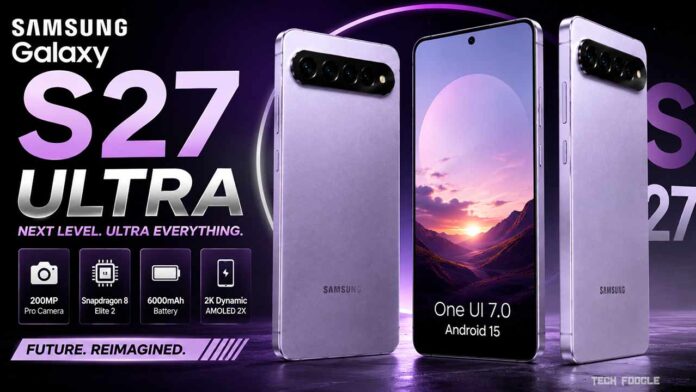
Samsung’s next flagship phone could have fewer cameras than people expect. At first, this might seem like a step back, since new flagship phones usually add features instead of taking them away.
But recent reports tell a different story.
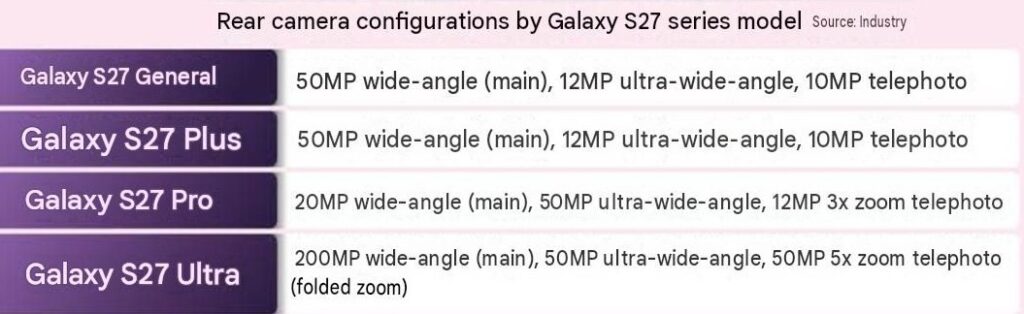
The Galaxy S27 Ultra might drop Samsung’s usual four-camera setup and go with just three cameras on the back. If these reports are right, Samsung will remove the dedicated 10MP 3x telephoto camera that has been part of Galaxy S27 Ultra models for years.
This change doesn’t seem to be about poor planning or a lack of new ideas. Industry reports say rising memory costs and supply chain pressures are the main reasons. Samsung reportedly wants to focus its hardware budget on upgrades users will actually notice.
Sometimes, having fewer features can be better-unless you enjoy collecting camera lenses like Pokémon cards.
Table of Contents
Samsung Could Remove the 10MP 3x Telephoto Camera
Reports from South Korea say Samsung is thinking about removing the dedicated 10MP 3x telephoto camera from the Galaxy S27 Ultra. Several major industry publications have repeated this claim, but Samsung hasn’t confirmed anything yet.
The 3x telephoto lens was first introduced with the Galaxy S21 Ultra. Since then, Samsung has mostly kept the hardware the same but has improved image quality through software updates.e.
Now, reports suggest Samsung thinks the extra camera doesn’t offer enough value for its cost anymore.
If Samsung goes ahead with this plan, the Galaxy S27 Ultra would be the first Ultra model to have three rear cameras instead of four.
Why Rising RAM Prices Matter
Memory is now one of the most expensive parts of a smartphone.
Industry analysts say DRAM prices have gone up because of limited supply, more demand from AI hardware, and shifting production priorities in the semiconductor industry. This means manufacturers now pay more to build high-end devices. This is a difficult choice.
They can either raise retail prices or cut hardware costs somewhere else.
Company reportedly prefers to cut hardware costs instead of raising the phone’s price significantly; Samsung appears willing to simplify the camera system while investing more money in components that matter most. From a business point of view, this follows a common rule: spend more on the things customers notice most. Notice the biggest difference.
(Also See:- Download Samsung Galaxy Z Fold 8, Z Fold 8 Ultra & Z Flip 8 Stock Wallpapers)
Why does Samsung having more cameras not always mean more megapixels produce better photos
Modern smartphones depend a lot on computational photography. Advanced image processing uses data from sensors, AI, and machine Learning to improve detail, exposure, and dynamic range.
Recent research shows that software now handles many image-processing tasks that used to rely mostly on hardware. uses its 200MP main camera for sensor cropping and AI-assisted zoom in several situations.
This means a better main sensor and improved processing can sometimes match the results of a smaller dedicated telephoto camera.
That’s why many recent leaks suggest Company wants to focus on improving fewer cameras, instead of keeping more cameras that do similar things.
The Remaining Cameras Could Receive Major Upgrades
Taking away one camera doesn’t automatically mean worse photos.
Current reports say Brand plans to upgrade the remaining cameras in several ways.
Expected camera hardware includes:
- 200MP primary wide camera
- 50MP ultrawide camera
- 50MP 5x periscope telephoto camera
Some reports also say Company might use new Sony sensors for some camera modules, instead of only using its own ISOCELL sensors. If true, this would be one of the biggest camera hardware changes in recent Galaxy history. These specifications have received official confirmation.
Could Sony Camera Sensors Replace ISOCELL?
This rumor has gotten a lot of attention.
Samsung makes high-quality ISOCELL image sensors and supplies them to many other smartphone brands.
Still, reports suggest Samsung might use Sony sensors for some Galaxy S27 camera modules.
This wouldn’t be unusual in the smartphone industry.
Many phone makers use sensors from different suppliers, depending on performance, availability, and cost.
Apple, Google, Xiaomi, Vivo, and several other brands already use Sony sensors in many flagship phones.
Until Company announces the final hardware, all of this is still just speculation. The Selfie Camera Could Finally Receive a Meaningful Upgrade
The front camera might finally get some upgrades too.
Current leaks suggest there could be a new 16MP selfie camera with autofocus. Improved AI-powered subject tracking and support for automatic framing during video calls. The feature resembles Apple’s Center Stage, which keeps users centered while they move around the frame.
Other reports say the camera will support both 16:9 and 4:3 capture modes.
These upgrades would help creators, remote workers, and anyone tired of explaining to their grandparents why their face vanished during a video call.
Samsung’s Supply Chain Strategy Is Also Changing
The camera changes seem to be part of a bigger manufacturing strategy. Reports say Company plans to spread rear camera module production across more suppliers, instead of relying on just a few partners.
- This approach has several benefits.
- It reduces supply chain risk. It also makes production more flexible.
- It helps keep manufacturing steady even when there are component shortages.
Big tech companies often use multiple suppliers to avoid delays if something goes wrong in one region or factory. The Missing Camera?
That will depend on how well Company manages zoom performance. photo camera has received mixed reviews over the years. Many photographers appreciate its portrait capabilities, while others argue the sensor has fallen behind newer competitors. If Samsung upgrades the 200MP main sensor, improves the 5x telephoto camera, and boosts image processing, most users probably won’t miss the 3x camera in daily use.
Professional photographers might disagree.
Most casual users care more about getting a sharp photo than counting the number of lenses on the back of their phone.
Everything Remains a Rumor
It’s important to highlight this point.
Samsung hasn’t officially confirmed any Galaxy S27 Ultra specs. Samsung usually keeps flagship hardware details private until much closer to launch.
Right now, all the information comes from supply chain reports, industry publications, and well-known smartphone leakers. While several sources point toward the same direction, plans often change before production starts.
Treat every leak: It’s best to treat every leak as an early preview, not a final product. Before Launch
More leaks will likely occur. We’ll probably see more leaks in the coming months. If Company sticks to its usual schedule, the Galaxy S27 series will likely arrive in early 2027. Until then, additional reports should clarify the camera system, processor, battery, RAM options, and other flagship features.
The biggest question remains simple.
Will Samsung be able to convince buyers that three great cameras are better than four average ones?
The answer will come down to image quality, not the number of cameras.
Final Thoughts
The Galaxy S27 Ultra could end up being one of Samsung’s boldest flagship updates in years.
Instead of adding another camera, Brand reportedly wants to focus on better sensors, smarter software, and a more balanced hardware setup. Higher RAM costs seem to be one reason for this. Still, it also shows how smartphone photography is changing; if the rumors prove accurate, Samsung will ask buyers to judge the results instead of the specification sheet.
For many people, that approach makes a lot of sense.