
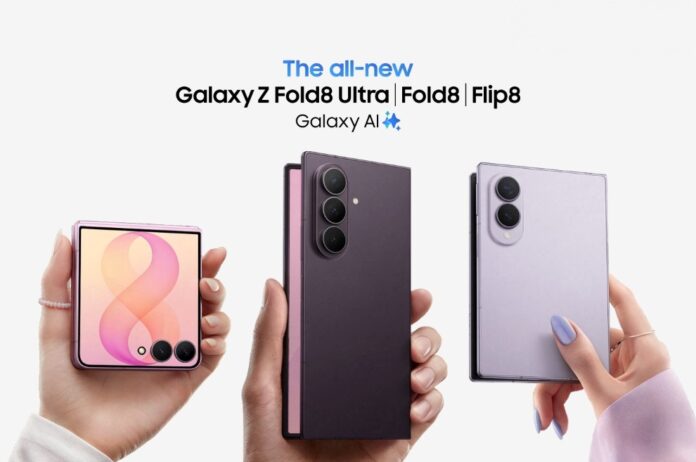
Samsung packed more hardware into one event than it has in years. At Galaxy Unpacked on July 22, 2026, in London, the company introduced two premium book-style foldables, refreshed its flip phone, upgraded its smartwatch lineup, and finally stepped into AI eyewear with its first Galaxy Glasses.
Six products, one stage, and a software update, One UI 9, tie nearly everything together with Google’s Gemini built into the experience. If you blinked during the keynote, you probably missed a phone launch.
Here is a clear breakdown of every device Samsung revealed at Galaxy Unpacked 2026, what each one costs in India, and why it matters.
Table of Contents
Galaxy Z Fold 8 Ultra: The Flagship Gets Even Sharper
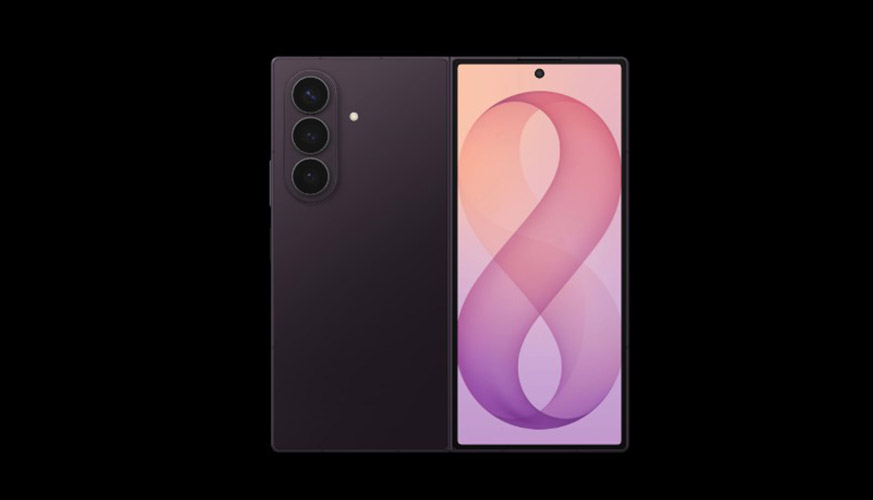
The Galaxy Z Fold 8 Ultra takes over as Samsung’s most premium foldable, starting at Rs 1,99,999. It keeps the tall, book-style shape that Fold owners already know, then sharpens nearly everything inside it.
You get a 6.5-inch Full HD+ Dynamic AMOLED 2X cover display and an 8-inch QXGA+ Dynamic AMOLED 2X inner screen, both running at up to 120Hz. The camera system also gets an upgrade: a 200MP main sensor, a newly upgraded 50MP ultrawide lens, and a 10MP telephoto camera offering 3x optical zoom and 30x Space Zoom. It records video in full 8K.
A 5,000mAh battery with 45W wired and 20W wireless charging keeps the phone running through a long day. Despite that bigger cell, the Fold 8 Ultra weighs only 215 grams and measures a slender 4.1mm when unfolded. At the same time, an expanded graphite cooling system keeps performance steady under heavier tasks. Running on Qualcomm’s Snapdragon 8 Elite Gen 5 for Galaxy chip, Samsung somehow made its most powerful Fold thinner, not thicker. Physics is still working that one out.
Galaxy Z Fold 8: A Wider, Lighter Foldable for Everyone Else
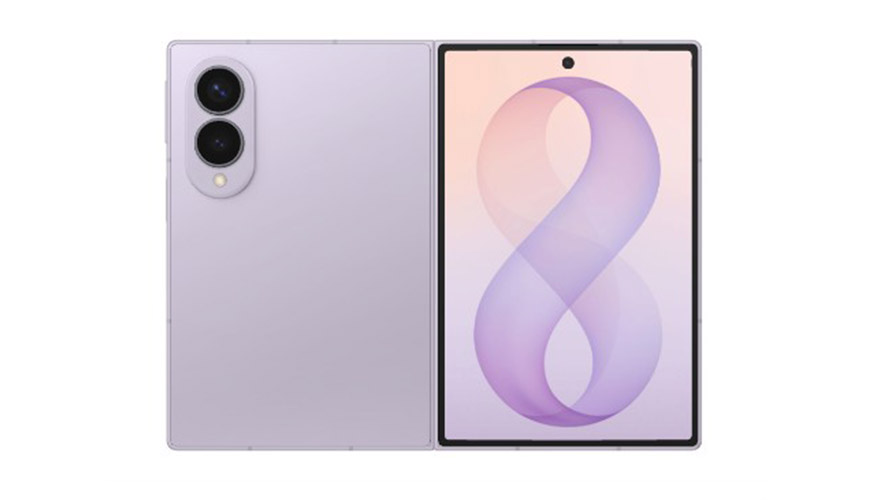
This is where Samsung takes a real risk. The standard Galaxy Z Fold 8 starts at Rs 1,79,999 and drops the tall book shape for a broader, passport-style design instead. The inner display now opens into a 4:3 aspect ratio, which feels far more natural for streaming video than narrower Folds ever did.
The main screen measures 7.6 inches with a QXGA+ Dynamic AMOLED panel. At the same time, the 5.5-inch Full HD+ Dynamic AMOLED 2X cover display reaches up to 3,000 nits of peak brightness, bright enough to read outdoors.
At just 201 grams, this is the lightest Fold Samsung has shipped. Battery capacity grows to 4,800mAh, up from the Fold 7’s 4,400mAh cell, and both fast wired charging and Super-Fast Wireless Charging carry over. The camera pairs a 50MP main sensor with a 50MP ultrawide lens, giving 10x digital zoom and 8K video, minus the telephoto lens the Ultra carries.
Both Fold models, together with the Galaxy Z Flip 8, introduce Samsung’s new Flex Titanium Display technology. A titanium-alloy layer sits beneath the flexible OLED panel, adding structural support, spreading impact more evenly, and visibly softening that stubborn crease down the middle. Foldable fans have waited years for a fix like this.
Galaxy Z Flip 8: The Foldable Built for Everyone’s Budget
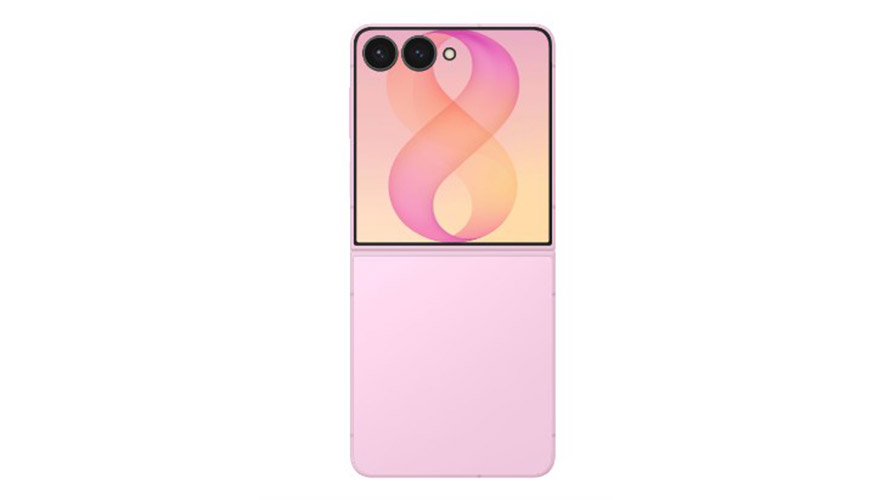
Not everyone wants to spend close to two lakh rupees on a phone, and Samsung knows it. The Galaxy Z Flip 8 starts at Rs 1,24,999 in India, the most affordable foldable in this year’s lineup by a comfortable margin.
The cover display grows to a 4.1-inch Full HD+ Super AMOLED panel with an adaptive refresh rate reaching 120Hz, and opening the phone reveals a 6.9-inch Full HD+ Dynamic AMOLED 2X display running at the same 120Hz.
A 50MP primary camera pairs with a 12MP ultrawide lens, supporting 10x digital zoom and 4K video at up to 60 frames per second. Battery capacity holds steady at 4,300mAh, matching last year’s Flip 7. At only 180 grams, the Flip 8 becomes the lightest foldable Samsung announced this year, sliding easily into pockets that most regular phones can’t.
Galaxy Watch 9 and Watch Ultra 2: Bigger Batteries, Smarter Wrists
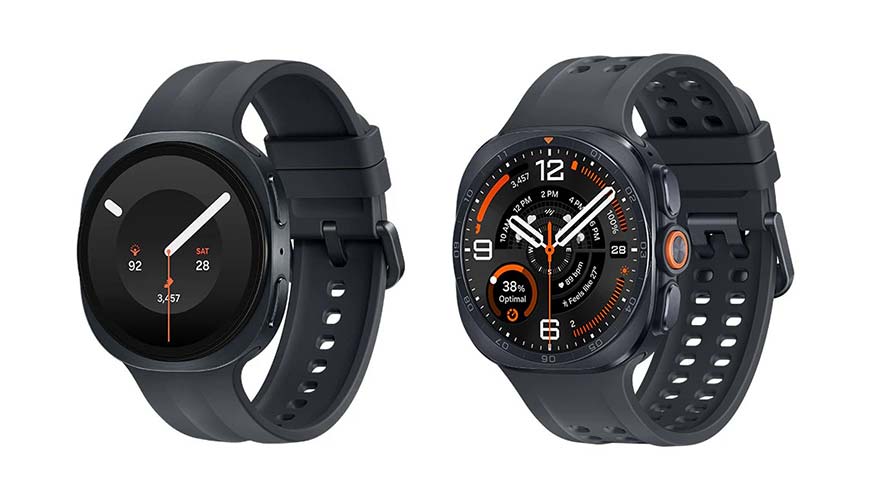
Samsung did not stop at phones. Both smartwatches pick up real upgrades in battery life, brightness, and on-device AI this year.
The Galaxy Watch 9 comes in 40mm and 44mm sizes, with battery capacity climbing to 390mAh, a 20 percent jump over last year, while the display still peaks at 3,000 nits. Pricing starts at Rs 37,999 for the Wi-Fi model and rises to Rs 41,999 for LTE.
The Galaxy Watch Ultra 2 pushes further, with brightness now touching 5,000 nits and a larger 800mAh battery, a 35 percent increase over its predecessor. Samsung trims the titanium case to 10.7mm, making it 12 percent slimmer than the original Watch Ultra. In comparison, the lone 47mm titanium model costs Rs 64,999.
Both watches share Qualcomm’s new Snapdragon Wear Elite chip, the first wearable platform to pack a dedicated Hexagon NPU capable of running AI models with up to two billion parameters directly on the watch, a serious amount of AI muscle for something that lives on your wrist.
Samsung also adds an AI-powered Health Assistant across both watches, covering Vitals monitoring, Fitness Index scoring, Sleep Apnea detection, Heart Health Score analysis, and noise alerts. The Watch Ultra 2 goes further still, adding trail-running guidance, hydration reminders, nutrition tracking, and diving tools.
Samsung Galaxy Glasses: A Whole New Product Category
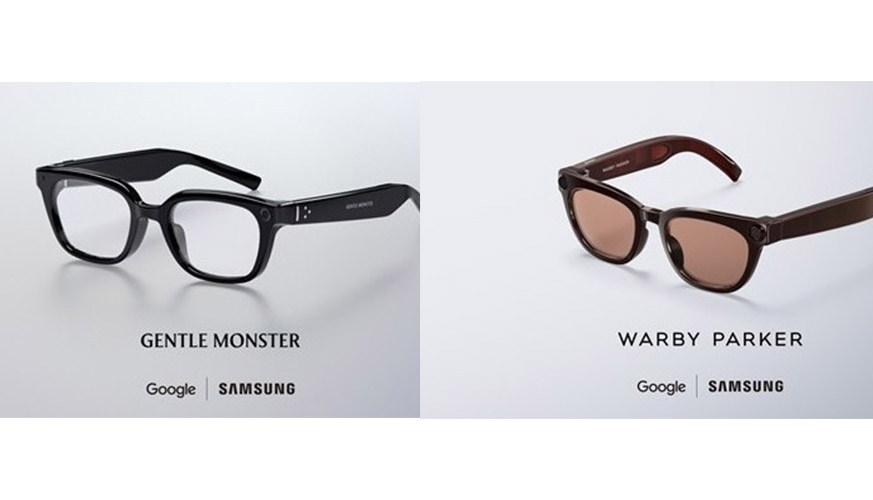
For the first time, Samsung enters AI eyewear. The Galaxy Glasses arrive through a collaboration with Google, Gentle Monster, and Warby Parker, skipping built-in screens entirely for a voice-first design instead.
A 12MP camera works alongside Google Gemini to handle live translation, notification summaries, turn-by-turn navigation, and visual memory capture, so pointing them at a whiteboard sends that information straight into Samsung Notes. The Gentle Monster edition leans into a sleek black frame, while the Warby Parker version offers a warmer brown finish.
Running on Qualcomm’s Snapdragon AR1 Gen 1 platform, the glasses weigh roughly 50 grams and last up to nine hours per charge, with the bundled case adding several more charges through the day. Samsung has not confirmed pricing yet, and availability looks set to stay limited to select regions at first — a broader rollout should follow later this fall.
One UI 9: Software That Actually Thinks Ahead
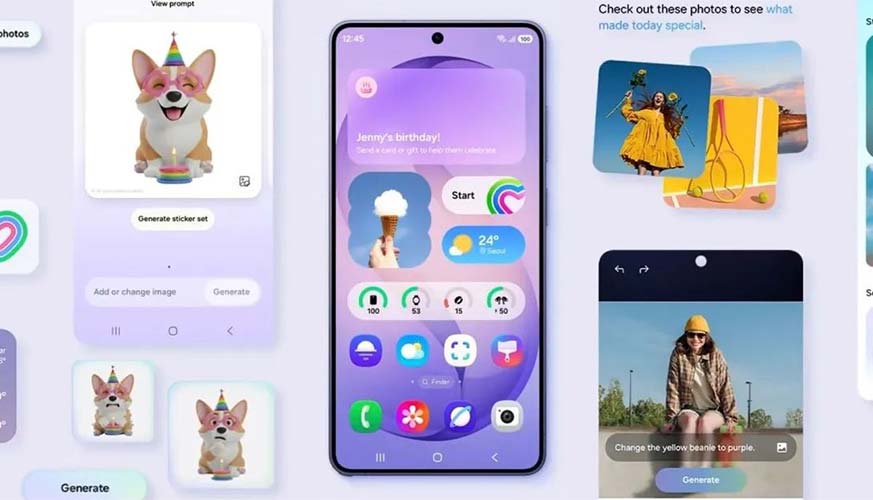
Every device announced at Galaxy Unpacked 2026 ships with One UI 9, built on Android 17. It brings floating windows across supported apps, redesigned lock-screen media controls, larger system sliders, deeper Gemini integration throughout Samsung’s software, and a new Now Nudge tool that watches for context on-screen and surfaces shortcuts at the right moment, like suggesting your calendar the instant a text mentions making plans.
The bigger headline is Gemini Intelligence, a new automation layer working across more than 40 supported apps. Instead of issuing separate commands, users can ask the system to book tickets, order food, manage tasks, or act on whatever is on screen, all through one natural-language request. It behaves less like a basic assistant and more like a capable, slightly overqualified intern.
When Can You Actually Buy These?
Pre-orders for the Galaxy Z Fold 8, Z Fold 8 Ultra, and Z Flip 8 are open now. Retail availability for the foldables and both smartwatches begins on August 7, 2026. Samsung has not confirmed a launch date for Galaxy Glasses.
Here is the pricing table with both India and U.S. starting prices:
| Device | Starting Price (India) | Starting Price (USA) |
|---|---|---|
| Galaxy Z Fold 8 | Rs 1,79,999 | $1,899 |
| Galaxy Z Fold 8 Ultra | Rs 1,99,999 | $2,099 |
| Galaxy Z Flip 8 | Rs 1,24,999 | $1,199 |
| Galaxy Watch 9 (Wi-Fi) | Rs 37,999 | $379 |
| Galaxy Watch Ultra 2 | Rs 64,999 | $699 |
| Galaxy Glasses | Not yet announced | Not yet announced |
The Bigger Picture
Galaxy Unpacked 2026 covers an unusually wide spread, from two different foldable philosophies to a real push into AI-driven wearables and eyewear. Samsung is clearly setting the stage before Apple’s rumored first foldable phone lands later this year, and that timing does not look accidental.
Whether the pick ends up being the wider Z Fold 8, the classic Z Fold 8 Ultra, the pocketable Z Flip 8, or one of the refreshed watches, the common thread stays the same: Gemini-powered AI woven into daily use, not bolted on as an afterthought. The Galaxy Glasses might be the real story here, though. Everything else at this Unpacked is a strong refinement. The glasses are a new category altogether, and Samsung is only just getting started.