

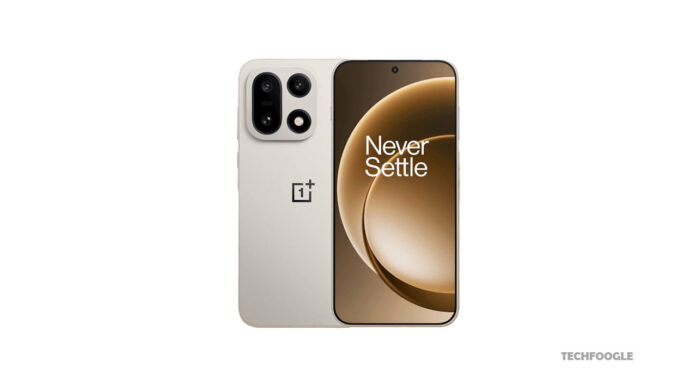
Fast rumors fly about phones, yet chatter on the OnePlus 16 kicked off way ahead of schedule. Just months after the last model’s launch, talk of what comes next quietly spreads across online tech forums. Fresh hints point to a machine built stronger, especially under the hood and when snapping pictures.
Lately, whispers say the new top-tier phone might pack tech usually split across different models. Inside, folks hint at a Snapdragon 8 Elite Gen 6 Pro chip doing the heavy lifting. A 200-megapixel zoom lens with a periscope design is rumored, too. Then there’s talk of LPDDR6 memory – faster than what most phones use now. All these pieces fitting into one device feels unusual, yet possible.
Should these rumors hold true, the OnePlus 16 could signal a turning point in how the company positions itself. Once known for taking on top-tier phones by offering strong performance at lower prices, OnePlus carved out a name through value. Yet, slowly over time, it began edging toward luxury pricing and features. Inside the upcoming model, specs suggest a clear step forward – one where chasing the highest end of the market becomes the main goal.
Rumors often surface months before confirmation. This one comes from a source known for accurate tech leaks. While not all take notice, phone fans pay attention—credibility matters more than timing.
Table of Contents
OnePlus 16: Leaks Showed Up Sooner Than Anticipated
Big phone rumors usually hit weeks before release. For the OnePlus 16, though, whispers started nearly six months early—unusual even in tech.
Something stirring so soon might come down to how big the changes are. Introducing several new technologies together tends to make supply chains talk sooner. For example, firms building camera sensors, making chips, or producing memory get caught up in the chatter. Rumors spread because many hands touch the parts.
Competition plays a role, too. Right now, phone makers are racing hard – cameras and artificial intelligence take center stage. For instance, Xiaomi, Samsung, and Oppo are stacking up massive sensors alongside advanced photo processing. In this context, word has it that the OnePlus 16 might pack a 200MP periscope setup. That detail alone pulls it right into the spotlight with rivals obsessed with imaging power.
Tipster Digital Chat Station: The Source Of The Rumor
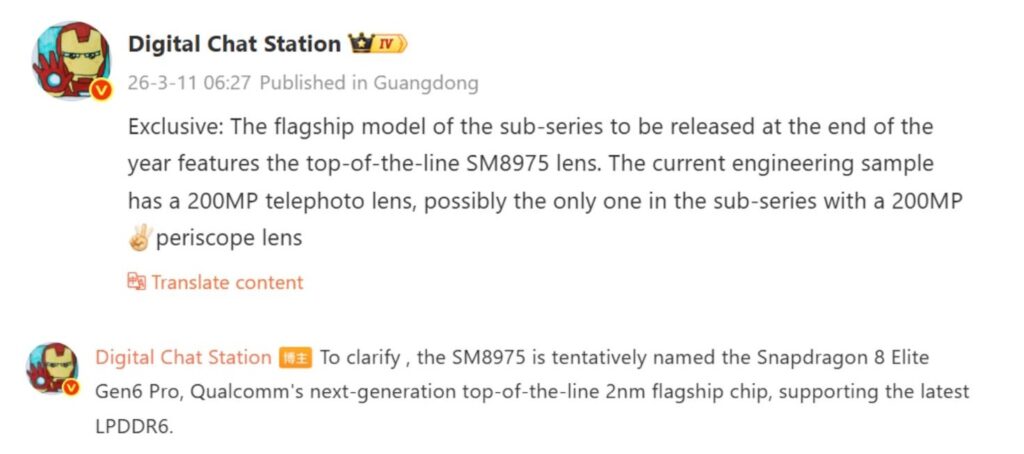
A familiar voice in tech rumors, Digital Chat Station posts frequent sneak peeks of phone specs on Weibo. Known across China, this tipster gained trust by sharing correct device details long before companies announced them.
Earlier this week, a source said the OnePlus 16 might run on Qualcomm’s upcoming top-tier chip, known during development as SM8975. This processor is expected to hit markets under the name Snapdragon 8 Elite Gen 6 Pro.
A leaked report hints at a 200-megapixel periscope lens joining the setup – this change could push how far you can zoom without losing detail. While unconfirmed, such a sensor might reshape what phone cameras achieve outdoors.
Earlier whispers hinted at changes, and these now match what’s emerging about OnePlus possibly reworking its camera setup after the last model’s game-focused look.
The Shift from OnePlus 15 to OnePlus 16
One reason folks are talking about the OnePlus 16? The path the OnePlus 15 followed gives a clue. While that earlier model shifted focus, now expectations shift too – built on what came before, yet different in subtle ways. Because choices made then shape reactions today, even if only behind the scenes. Not everything changed; still, some threads connect clearly. When last year’s decisions echo forward, they help explain current interest. So past moves quietly feed present curiosity.
Gaming Focus on the OnePlus 15
Heavy on gameplay, the OnePlus 15 was built around sustained performance. Not just fast, but smart about heat control and chip strength. Long fights in battle mode? Frame rates stayed flat, never dipped. That kind of stamina won fans who play marathons. Cooling didn’t lag, power didn’t drop – smooth all the way through.
A new processor inside made phones run fast right away – Qualcomm’s latest chip showed up first in high-end Android models. This one delivered high-speed out of the box, setting the pace ahead of most others.
OnePlus prioritized heat management and speed, attracting gamers. Yet, these choices left camera enthusiasts wanting more.
A New Direction Combining Photos and Artificial Intelligence
The OnePlus 16 suggests a change in direction. Gaming might take a back seat now as raw speed pairs with significant improvements in photo quality.
Picture this – phone habits have shifted big time lately. Not just calling anymore, but snapping shots like pros do. Think about video edits done right on the screen, no extra gear needed. What do folks care about now? Machines that think a bit, work fast, and keep up without help from distant servers. Performance matters more because tasks get smarter every week. Devices must handle heavy jobs while fitting into pockets and daily routines.
Faster chips and sharp zoom lenses show OnePlus is now targeting world-class camera competition, not just gaming performance.
Snapdragon 8 Elite Gen 6 Pro Processor Explained
Rumors suggest the OnePlus 16 has a chip surpassing nearly all prior phone processors. Such power is rare for phones.
The SM8975 Chipset Codename
Leaks mention the SM8975 chip—suspected to be Qualcomm’s next flagship. This tag repeatedly surfaces in performance rumors.
A new Qualcomm chip might come in two versions. One version could handle more tasks than the other. Different needs may shape how each one performs. Some devices will likely use the stronger model. The simpler type may go into budget-friendly gadgets. The performance gaps between them should remain noticeable.
Snapdragon 8 Elite Gen 6 Standard flagship chip for premium phones. Snapdragon 8 Elite Gen 6 Pro offers extra power and faster memory for top models.
Folks say the Pro model might come with a GPU running full-time, faster processing speeds, and room for newer types of memory chips.
A 2 Nanometer Chip Changes How Phones Work
This chip might use a 2-nanometer design – rumors point that way. What stands out? The tiny size could mean big changes without saying so outright.
Fewer tiny switches mean squeezing extra brainpower into an identical room. That brings three big pluses most of the time.
- Higher performance
- Lower power consumption
- Better thermal efficiency
This chip may boost speeds up to 18% over 3nm predecessors, while reducing energy use by 36% in certain conditions.
A jump like that matters more than most realize. Simply put, devices might run faster even as they sip power rather than drain it.
New Chip May Run Faster
Higher clock speeds with improved efficiency
Rumors claim the Snapdragon 8 Elite Gen 6 Pro could reach 5–6 GHz clock speeds under heavy load.
Imagine hitting speeds close to those of a basic laptop chip. When design and heat control keep up, phones might run tasks once thought out of reach. Suddenly, what seemed too heavy becomes doable.
This matters because of a few key points:
- Real-time AI processing
- Advanced image processing
- Complex mobile games
- Desktop-class productivity apps
Little by little, phones are becoming more like handheld computers than devices made only to talk.
HPB Cooling Technology
Heat becomes an issue when processors are too strong. Running at top speed makes them produce a lot of heat. If they do not cool down well, their power fades quickly due to slowdowns.
Fresh reports hint at a new cooling method called Heat Path Block, set to arrive with the Snapdragon 8 Elite Gen 6 Pro. This feature might manage heat differently than before. Instead of spreading warmth across components, it could redirect it elsewhere. Details remain scarce, but early signs point toward improved thermal control. The shift may come alongside other internal upgrades. While unconfirmed, the idea fits recent trends in chip design. Testing phases likely determine if HPB makes the final cut.
A thin layer above the chip draws out heat, keeping performance steady and temperatures in check.
OnePlus 16 may include LPDDR6 RAM.
Fresh on the radar: LPDDR6 memory showing up.
Memory Bandwidth Importance in Today’s Smartphones
Fast memory helps phones transfer information between the device’s brain and its storage. When apps demand more, how quickly RAM operates becomes more important.
LPDDR6 may reach 14.4Gbps—almost doubling LPDDR5. Gains come from improved signaling and new speed limits.
Here’s the thing – this tweak isn’t just jargon. It shapes how smoothly routine jobs run.
- Faster app loading
- Smoother multitasking
- Better gaming performance
- Faster AI processing
AI and computational photography changes
It’s not just snapping pictures anymore – smartphones now tweak every shot using artificial intelligence. Right after capture, computations kick in, adjusting how light and dark areas appear together while precisely balancing hues. Sharp details emerge quietly beneath layers of silent math working behind the scenes.
Faster data flow speeds up those computations. So things such as low-light photo capture, high dynamic range recording, or smart picture adjustments work without hiccups.
The Headline Feature 200MP Periscope Camera
The spotlight isn’t on speed or battery—it’s a 200MP periscope telephoto lens. That spec stands out among rumored changes.
Periscope Cameras Work Differently Inside
A small body means regular phone cameras can’t zoom in far. Light is redirected across the device via a tiny mirror setup, allowing periscope-style lenses to extend their field of view.
Fitted inside, extended zoom optics take up less space thanks to their layout.
A big leap in zoom quality shows up when you look at regular long-range lenses. Their limits become clear next to this one.
200MP Telephoto Might Shift How Phones Handle Zoom
A giant 200MP telephoto lens captures so much fine data that cropping feels like stepping closer. When paired with true optical zoom, faraway scenes snap into sharp view on the OnePlus 16 – clarity stays strong even when pulling tight.
A setup like this puts the gadget right up against top-tier phones built for snapping photos. Though packed with imaging power, it steps into a space crowded by leaders in mobile photography. Where camera quality drives buying choices, such features make it stand alongside elite models. Instead of falling behind, its hardware aims to match the performance of devices known for sharp, detailed shots. When photo performance matters, this positions the phone as a serious contender.
Folks into snapping travel scenes might find this function a big reason to want the device. Wildlife photographers could see it as a solid fit. Those chasing fast moments at games may feel drawn to what it offers. Each group might look at the phone differently because of this one thing.
Other Potential Hardware Improvements
Rumored 240Hz Display with Big Battery
A jump beyond just speed and photo gear, fresh hints point to extra changes, too. A screen hitting 240Hz could arrive, built on OLED tech – rare for top-tier phones today. Alongside it sits a 9,000mAh power cell, big enough to turn heads even among high-end models.
Smooth motion leaps out when the display updates that fast. Every scroll shifts like liquid, not judders. Gaming actions flow without hitches, almost too real. Frames rush by so quickly that your eyes barely catch up.
A huge 9,000 mAh battery might last for an incredibly long time. Still, actual performance depends on how it’s used.
Charging Technology Improvements
One moment it’s low, next thing you know – nearly full. That kind of speed comes naturally to OnePlus. This time, whispers point to 120W over cable, while wireless could hit 50W. Power flows fast, even when the tank is big.
Expected Price and Market Position
Estimated Global Pricing
A price tag near 5,000 yuan could put the OnePlus 16 at around ₹67,000 when converted to Indian currency, if leaks hold true.
Still, prices around the world tend to rise due to additional fees and local changes. Over in places such as India or parts of Europe, that device might cost ₹90,000 – or even more – based on how it’s set up.
Fancy chips like 2nm designs cost a lot to make, so higher costs show up in prices. Memory using LPDDR6 tech adds extra expense because manufacturing it isn’t cheap.
Possible Launch Timeline
Ahead of any big reveal, the OnePlus 16 remains out of sight. Rumors point toward late 2026 for China, then wider markets soon after.
Every year around this time, Qualcomm holds its Snapdragon Summit. That event usually reveals the latest top-tier chips. Timing fits right into that pattern.
Fresh details will likely slip out before release day. Not every spec stays fixed – camera hardware can shift, storage choices might adjust, while extra functions pop up unexpectedly. Countdowns never run perfectly straight.
OnePlus 16 might change flagship expectations.
Right now, whispers suggest the OnePlus 16 might just redefine what a phone can do by 2026. While unconfirmed, its specs seem set to push limits others avoid. That kind of reach doesn’t come around often in mobile tech. Should it deliver, few devices would match its nerve. Behind the scenes, engineers appear willing to take real risks. Not every idea sticks, but this one feels different. Time will show if reality meets expectation.
What comes to mind when you look at how these pieces fit together?
- A 2nm Snapdragon flagship processor
- LPDDR6 next-generation memory
- A 200MP periscope zoom camera
- Potential 240Hz display
- A massive power pack powers things longer between plugs. Quick refill times keep it running without long waits
This roster feels less like your usual phone details and more like plans for a future pocket-sized machine.
What really matters? If OnePlus keeps the steady performance and fair prices that made it popular. Can they still pull it off alongside everything else?
Conclusion
Ahead of its debut, whispers about the OnePlus 16 hint at a shift in how the brand approaches top-tier phones. Rather than chasing raw speed for gameplay alone, insiders point to gear built for more – balancing muscle under the hood with sharp imaging skills. While past models leaned hard into responsiveness, this one seems shaped by balance. Not just faster parts, but smarter ones too. What stands out is not power for power’s sake. It’s what happens when computation meets craft behind the lens.
A tiny telescope lens inside, snapping pictures at 200 million dots, teams up with a brand-new brain called Snapdragon 8 Elite Gen 6 Pro – suddenly, this phone stands tall among elite Android machines. Toss in ultra-fast LPDDR6 memory alongside fresh ways to stay cool under pressure, then what you hold feels less like a handset, more like a mini computer ready for anything.
Right now, nobody has confirmed any of this. Changes happen all the time in phone design – right up to the moment they appear.
Even so, should just a portion of those whispers come true, the OnePlus 16 could stand out as a top-tier launch in 2026.