

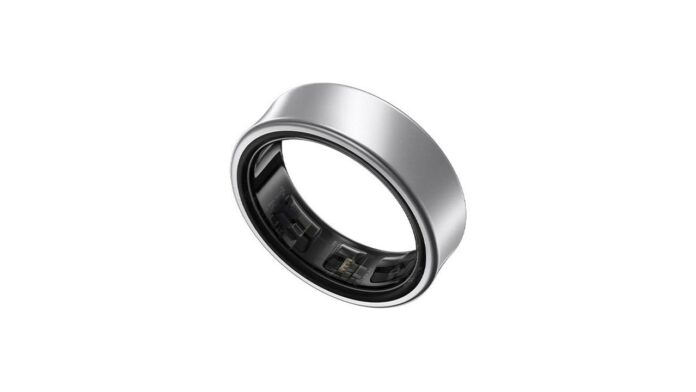
Samsung hoped the Galaxy Ring would be the next big thing in wearables. Instead, the company realized that while smart rings are interesting, they are still far from becoming mainstream.
This is why the Galaxy Ring 2 is now expected in 2027.
Tech fans waiting for Samsung’s next wearable might be disappointed by the delay. Still, it reflects Samsung’s ambition for the Galaxy Ring to play a key role in its AI health system, not just serve as an accessory.
Samsung recognizes that current technology is not ready.
Table of Contents
Why Samsung Delayed the Galaxy Ring 2
Earlier leaks pointed to a reveal at Samsung’s 2026 Galaxy Unpacked event, with reports hinting at a launch alongside new foldables.
Sources now say Samsung has moved the launch window to 2027.
The delay stems from factors beyond manufacturing challenges.
Samsung reportedly believes demand for smart rings remains niche, with many not seeing a need for both a ring and a smartwatch.
Samsung also faces pressure from other hardware projects, reportedly focusing resources on new foldable categories like the rumored Z Fold Wide lineup.
From a business perspective, waiting to release the Galaxy Ring 2 helps Samsung avoid launching an unfinished product into a market that is not yet popular.
The Biggest Problem Samsung Needs to Fix
The biggest problem with the first Galaxy Ring is its battery life. The first Galaxy Ring delivered strong health tracking, but many expected more battery life from a minimalist wearable. Its 5-day charge frustrated users, especially compared to fitness bands that last longer.
Samsung seems set on fixing this problem before launching the next version.
Reports say the Galaxy Ring 2 might last up to 10 days on a charge, thanks to better software, more efficient chips, and a slightly bigger battery. This improvement is more important than many people think. Smart rings are supposed to fit easily into daily life, unlike smartwatches. Having to charge them often makes them less convenient to use.
Samsung understands this psychological barrier.
Samsung Is Quietly Redefining
Many people think Samsung delayed the Galaxy Ring 2 because the hardware wasn’t ready. But the real reason is about strategy.
Instead of pitting the Galaxy Ring against the Galaxy Watch, Samsung wants both to work together as part of a larger AI health platform.
With this plan, Galaxy Watches cover workouts, notifications, and communication. The Galaxy Ring handles passive tracking like sleep, recovery, stress, and temperature.
That separation solves a major problem with wearables.
Most people remove their smartwatches too often for effective passive health tracking. Rings are easier to wear continuously, so users often forget they are even on.
This helps Samsung gather more steady health data over time.
The Galaxy Ring 2 seems to be built with this idea in mind.
The Advanced Feature Samsung Still Cannot perfect.
One rumored feature draws attention: blood sugar monitoring.
Samsung has explored non-invasive glucose tracking for future wearables, including the Galaxy Ring. Success could transform health tracking.
But this is still a huge challenge.
Non-invasive blood glucose monitoring still has big technical and regulatory hurdles. The standards for accurate medical data are strict, especially for small wearable devices.
Samsung appears cautious. Instead of rushing unfinished health features, it focuses on the basics: better sleep tracking, improved temperature analysis, and smarter AI wellness insights.
That strategy looks smarter long-term.
This approach seems wiser in the long run, Rings
Many tech enthusiasts expect smart rings to replace smartwatches.
That likely will not happen. The future of wearables may split into two segments: smartwatches for active use and smart rings for passive tracking.
This difference is important because passive health tracking gives better long-term data. AI systems perform better when devices collect steady data without frequent interruptions.
The Galaxy Ring 2 may matter less as a gadget and more as a data source for Samsung’s AI system. The delay is about more than hardware upgrades.
Samsung seems ready to give up short-term excitement to build a better long-term platform.
What to Expect From the Galaxy Ring 2
Leaks suggest the Galaxy Ring 2 will be thinner and lighter, offer double the battery life, support improved health tracking, and include more AI features.
Samsung wants future Galaxy devices to work together as health companions, not just as separate gadgets. The Galaxy Ring 2 is a key part of this plan.
Industry insiders now expect Samsung to reveal the device with the Galaxy S27 series in early 2027.
Final Thoughts
The delay of the Galaxy Ring 2 is frustrating for early adopters. Still, Samsung’s decision reflects a broader trend in the wearable market.
Smart rings still need a better battery. Smart rings still need longer battery life, better health tracking, and a clearer purpose before they become mainstream. Those issues before launching its next-generation device. If the company succeeds, the Galaxy Ring 2 could become far more than a fitness accessory. It could become the foundation of Samsung’s AI-powered health ecosystem.
Which feature is most important to you in the Galaxy Ring 2? Is it better battery life, advanced health tracking, or more AI features? Let us know your thoughts in the comments.
Source: ETNews