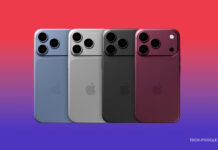


The global smartphone arena entered 2026 on unstable footing, rattled by a persistent RAM shortage that has quietly throttled production pipelines. According to insights from Counterpoint Research, shipments across the industry contracted, painting a subdued picture for manufacturers. Yet, in a twist that defies the broader slump, Apple ascended, claiming the crown as the world’s leading smartphone brand in the first quarter.
Table of Contents
Apple Defies Gravity in a Contracting Market
While the overall market shrank by 6% year-on-year during Q1 2026, weighed down by hesitant consumer demand and supply chain friction, Apple charted a different trajectory. The company achieved a 5% annual growth in shipments, increasing its market share to 21%, a notable rise from 19% the previous year. In a season typically quiet for Cupertino, this ascent feels less like luck and more like calculated dominance.
Hot on its heels, Samsung secured a 20% share. However, its shipment figures mirrored the market’s downturn, slipping by 6% year-on-year. Meanwhile, Chinese contenders such as Xiaomi, Oppo, and Vivo held their ground within the top five, though their momentum appeared muted, almost as if growth had hit an invisible ceiling.
Beyond this upper tier, quieter yet notable surges emerged. Google recorded a 14% increase in shipments, while Nothing leaped ahead with an impressive 25% growth, hinting at shifting undercurrents beneath the market’s surface.
The iPhone Effect and Premium Pull
Counterpoint attributes Apple’s resilience largely to the appetite for its latest flagship, the iPhone 17. Demand has been particularly strong across Asia-Pacific, where premium devices continue to attract aspirational buyers. Add to this Apple’s assertive trade-in strategies, and a widening tilt toward high-end smartphones, and the puzzle pieces begin to align.
This momentum doesn’t emerge in isolation. The iPhone 16 had already secured its place as the world’s best-selling smartphone last year, laying the groundwork for continued traction. Even in India, where the broader market dipped by 9% year-on-year, Apple posted 12% growth, signaling brand resilience in price-sensitive regions.
Dominance in 5G and a Clouded Outlook
Apple’s grip on the 5G segment remains firm, outpacing rivals by a comfortable margin. Its portfolio continues to anchor itself in the premium tier, where margins are thicker, and customer loyalty runs deeper.
However, the road ahead is far from smooth. Rising component costs, particularly memory, coupled with a strategic pivot in semiconductor allocation toward AI-centric hardware, threaten to compress shipment volumes further. Counterpoint has already revised its annual forecast downward, suggesting that the turbulence may linger longer than anticipated.
A Rare Q1 Triumph
Historically, the first quarter has seldom favored Apple, often overshadowed by post-holiday slowdowns. Yet, Q1 2026 breaks that pattern. Leading the global smartphone market during this period is not merely a statistical win; it signals a shift in cadence. Apple is no longer just peaking seasonally; it is sustaining momentum where others falter.
In a market weighed down by scarcity and caution, Apple’s performance feels almost paradoxical. While the industry tightens its belt, Cupertino appears to be tightening its grip.