

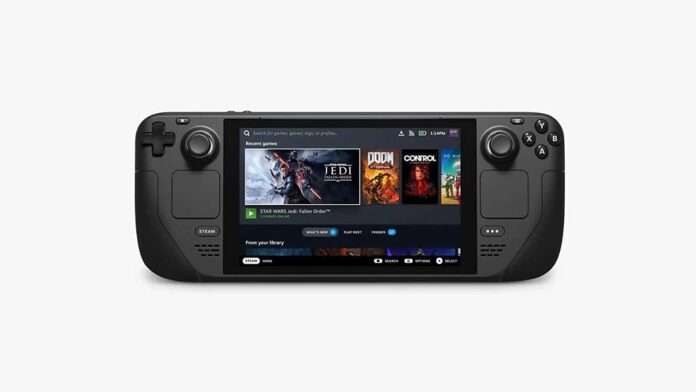
The gaming hardware market is facing a serious supply problem. This time, it is not about weak demand. It is about missing parts. A global memory shortage is slowing down production across the tech industry. As a result, the Steam Deck is now out of stock in the United States, and Valve says the issue is tied directly to limited memory and storage supply.
Gamers who hoped to grab one soon may need to wait longer than expected.
Table of Contents
What Is Causing the Steam Deck Shortage?
The main problem is memory. Modern gaming devices rely on high-speed memory chips and storage components. These parts are used not only in gaming systems but also in smartphones, laptops, servers, and other electronics.
When supply drops, companies must compete for the same pool of components. That pressure has hit Valve’s production lines. The company confirmed that memory and storage shortages are affecting availability in certain regions.
This means even if demand stays strong, production cannot keep up without enough parts.
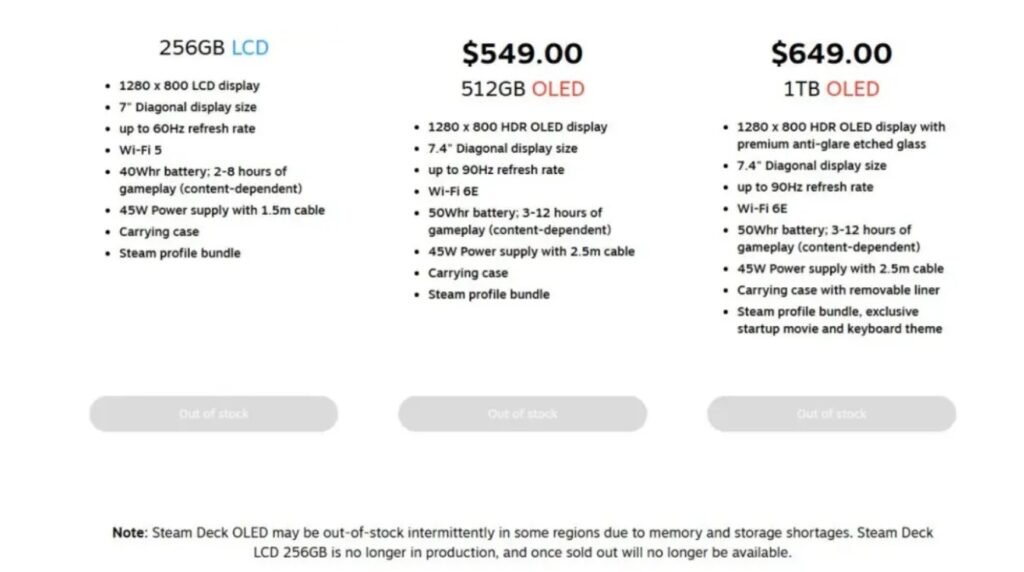
Steam Deck OLED and LCD Models Affected
Valve shared a clear update about its handheld models:
- The Steam Deck OLED may go in and out of stock in some regions due to shortages of memory and storage.
- The Steam Deck LCD 256 GB model is no longer in production. Once the remaining units sell out, it will not return.
This is important for buyers. The OLED version may appear briefly and disappear again. The LCD 256 GB version is being phased out completely. Anyone interested in that model will need to act fast if stock appears.
Why the United States Is Hit Hard
Valve mentioned that shortages may affect “some regions.” Reports suggest that the United States is experiencing deeper supply issues than certain European markets.
This uneven supply could be caused by:
- Shipping delays
- Regional demand differences
- Component allocation decisions
- Existing contracts with suppliers
Companies often send limited stock to markets where they see steady demand or better logistics support. That can create frustration for buyers in regions with lower allocation.
Steam Machines and Steam Frame Also Face Delays
The memory shortage does not affect the Steam Deck alone. Valve has also adjusted plans for the Steam Machine and the Steam Frame due to limited component supply.
When multiple devices rely on similar parts, the company must decide how to divide those parts. Producing three different products simultaneously becomes difficult when the memory supply is tight.
Valve may prioritize one device over another depending on:
- Profit margins
- Demand levels
- Manufacturing efficiency
- Long-term strategy
This can lead to uneven availability across its product line.
How Long Will the Shortage Last?
There is no confirmed end date. Industry experts suggest that the memory supply could remain unstable for much of the year.
Memory fabrication takes time. Expanding production capacity requires new equipment, skilled labor, and a stable supply of raw materials. These are not quick fixes.
Until production improves, restocks may continue to appear in short bursts rather than a steady supply.
What This Means for Gamers
If you are planning to buy a Steam Deck in the U.S., here is what you should expect:
- Stock may return without much notice
- Units may sell out quickly
- Some models may never return
- Prices in resale markets may rise
Checking the official store regularly is likely the safest approach. Avoid paying inflated prices unless you are certain the model will not return.
Patience may be the best strategy right now.
The Bigger Picture for Gaming Hardware
The Steam Deck shortage highlights a wider issue. Gaming hardware depends heavily on semiconductor supply chains. When memory production slows down, the effect spreads across consoles, graphics cards, and handheld systems.
This is not only about one company. It shows how closely hardware makers depend on global manufacturing networks.
Until memory supply stabilizes, limited stock and delayed launches may continue to affect the gaming market.
Final Thoughts
The Steam Deck remains one of the most popular handheld gaming systems available today. Demand is strong, but production limits are holding it back.
Valve has been direct about the reason. The global memory shortage is real and shaping product availability across regions. For now, U.S. buyers may need to stay alert for restocks or consider waiting until supply improves.
Are you planning to buy a Steam Deck soon, or will you wait until stock becomes stable again?