

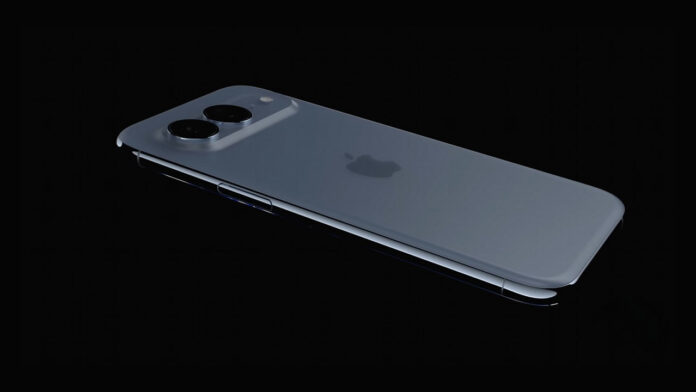
Apple leaks rarely stay quiet for long. The latest iPhone 20 renders reveal a design shift so dramatic that many longtime iPhone users barely recognize the device.
The biggest talking point is not the camera. It is not the chipset either. The renders suggest Apple is pursuing a true all-screen iPhone for the first time, with no physical buttons. No camera cutout interrupts the display.
If these leaks hold up, the iPhone 20 could become Apple’s most aggressive hardware redesign since the iPhone X.
Table of Contents
The Bezel-Less Display Finally Looks Real
The standout feature across every leaked render is the quad-curved OLED display. The screen appears to spill across all four edges with almost no visible border.
Apple reportedly works with both LG and Samsung on the panel technology. The goal is simple. Remove every visual distraction between the user and the display.
Most smartphone brands have tried curved screens before. Many failed because curved edges created accidental touches, color distortion, and poor durability.
Apple appears focused on solving those issues first instead of shipping the concept early.
That approach matters because Apple rarely introduces hardware features before supply chain consistency reaches an acceptable scale.
Under-Display Face ID Changes the Entire Front Design
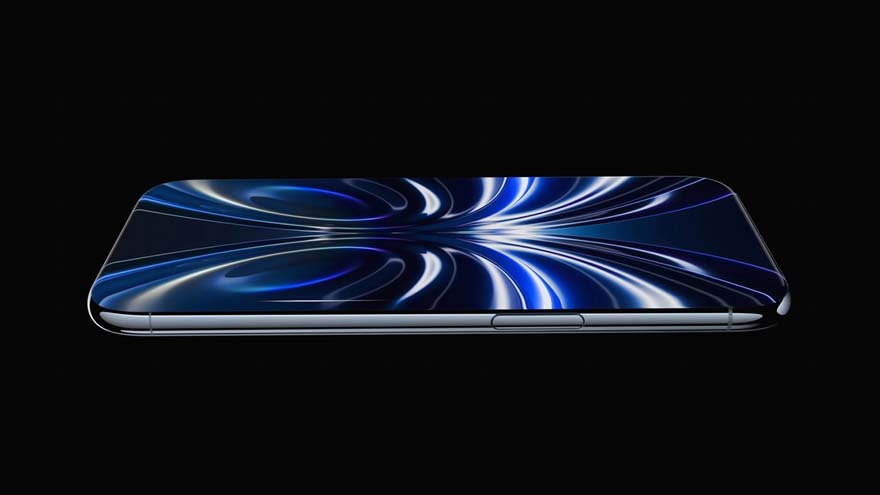
The renders also suggest that Apple will finally hide Face ID beneath the display.
This move removes the need for the Dynamic Island design introduced with recent iPhones. Instead, users receive a clean, uninterrupted screen surface.
The challenge is technical, not cosmetic.
Infrared sensors struggle behind OLED layers because brightness inconsistencies interfere with facial recognition accuracy. Current leaks suggest Apple engineers are still battling luminance issues near the curved edges of the panel.
This detail explains why Apple delayed a full-screen iPhone for years while Android brands rushed incomplete versions into the market.
Apple Might Remove Physical Buttons Entirely
One overlooked detail from the renders deserves more attention than the camera redesign.
The iPhone 20 appears to remove physical buttons completely.
Apple is reportedly experimenting with solid-state touch controls with haptic feedback. Instead of pressing a real button, users interact with pressure-sensitive areas built into the frame.
This shift creates three advantages:
- Fewer moving parts
- Better water resistance
- More internal space for battery and cooling systems
Apple explored this concept before, but reportedly postponed deployment because of reliability concerns.
The iPhone 20 leaks suggest the company revisits the idea with more mature hardware.
iPhone 20: The New Camera Bar Looks Familiar, But Strategic
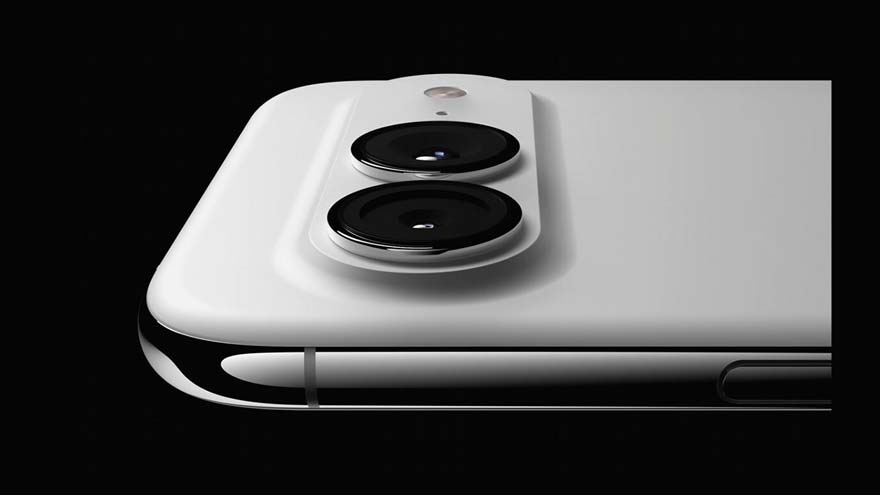
The rear camera system abandons Apple’s traditional square camera island.
Instead, the renders reveal a horizontal camera bar stretching across the back panel. The design strongly resembles recent Google Pixel devices.
At first glance, some users see this as Apple copying competitors.
The deeper explanation is more practical.
A horizontal camera system distributes weight more evenly and creates additional internal space for larger sensors, cooling layers, and battery components. Apple likely prioritizes engineering efficiency over visual familiarity.
The leaked hardware also points toward a massive 200MP primary sensor.
Higher megapixel counts alone do not improve photography. Sensor size, image processing, and light capture matter more. Still, Apple’s move toward 200MP suggests the company is preparing for advanced computational photography and higher-quality AI-assisted image processing.
The Most Important Upgrade Might Be Invisible
Most headlines focus on the display and camera changes.
The bigger story sits inside the device.
Leaks reference a 2nm Apple A21 chipset. Smaller process nodes improve power efficiency, heat control, and sustained performance.
This matters because smartphone innovation increasingly depends on thermal management rather than raw speed.
Here is the counterintuitive reality most consumers miss:
Modern smartphones are already fast enough.
The next competitive advantage comes from maintaining peak performance longer without overheating.
A more efficient 2nm chip paired with silicon-carbon batteries could give Apple major gains in battery endurance and AI workloads without increasing device thickness.
Several Asian smartphone manufacturers already deploy silicon-carbon battery technology. Apple’s entering this space signals that the chemistry has reached commercial maturity.
Why Apple Might Skip the iPhone 19 Name
Industry chatter claims Apple plans to skip iPhone 19 and go straight to iPhone 20.
This would mirror the company’s earlier move from iPhone 8 to iPhone X during the iPhone’s tenth anniversary.
From a branding perspective, the strategy makes sense.
Anniversary devices generate a stronger emotional appeal and higher media attention. Apple understands milestone branding better than almost any hardware company.
The “iPhone 20” label instantly communicates significance in ways “iPhone 19” never could.
Apple’s Biggest Risk Is Manufacturing Complexity
These renders look polished. Production reality is far harder.
According to supply chain leaks, Apple still struggles with:
- Edge brightness consistency
- Under-display Face ID accuracy
- Curved OLED durability
- Yield efficiency during manufacturing
This explains why the iPhone 20 remains years away despite detailed leaks already circulating.
Apple historically delays features until supply chain reliability reaches large-scale commercial viability.
That discipline frustrates early adopters but protects product quality.
What Happens Before the iPhone 20 Launch
Before the iPhone 20 arrives, Apple still plans major updates for the iPhone 18 lineup.
Leaks suggest the upcoming series introduces:
- A slimmer Dynamic Island
- Curved display technology
- Apple’s C2 modem
- Improved privacy networking features
- The long-rumored foldable iPhone
These products act as stepping stones toward the full redesign shown in the iPhone 20 renders.
Apple rarely changes everything at once. The company usually tests hardware transitions gradually across multiple generations.
Final Thoughts
The latest iPhone 20 renders reveal more than a cosmetic refresh. They point toward Apple rebuilding the iPhone experience around invisible hardware, immersive displays, and more efficient internal engineering.
Some leaked features will change before launch. Others may disappear entirely.
Still, one trend looks increasingly clear.
Apple wants the iPhone to feel less like a device and more like a seamless sheet of interactive glass.
If the company solves the engineering problems behind these renders, the iPhone 20 could become the most important iPhone launch in over a decade.
What feature interests you most in the leaked iPhone 20 redesign? Share your thoughts in the comments and follow for more Apple hardware analysis.