
Android has always stood for freedom. Users could install apps from anywhere, developers could publish without strict gatekeeping, and the ecosystem thrived because it was open. That promise, however, is now being questioned. F-Droid, one of the most respected open-source app repositories, has accused Google of quietly turning Android into a closed system that resembles the very platform it once sought to outdo.
Table of Contents
F-Droid Challenges Google’s “Open” Image
The controversy began after Google revealed its new Android Developer Verification Program. On paper, it’s meant to protect users from unsafe apps. But according to F-Droid, it’s actually a move to tighten control.
Google insists that “sideloading isn’t going anywhere.” Yet, F-Droid argues this reassurance is misleading. Under the new framework, only developers who verify their identity through Google will be able to distribute apps freely. In practice, this could mean users can no longer install APK files that aren’t verified by Google’s system.
F-Droid calls this the start of a “walled garden” approach. Once implemented, Android could function more like Apple’s iOS, where every app requires corporate approval to run on a device.
The Hidden Cost of “Verification”
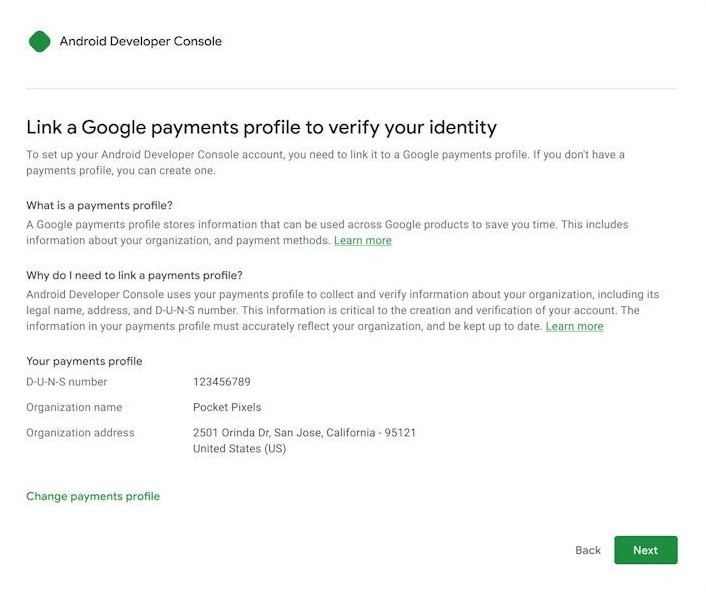
To join this program, every developer must register with Google and pay a $25 fee. They must also submit personal details, including their legal name, address, and phone number. Only after Google approves this data will an app be considered safe for public installation.
Supporters of open software say this isn’t about safety—it’s about control. For years, F-Droid and other third-party app stores have allowed developers to share software independently. This new verification policy could force them into Google’s ecosystem, removing the very independence that made Android unique.
For developers who value privacy or who create apps outside commercial interests, this rule could be devastating. It’s not just an extra step; it’s a barrier that filters who gets to publish and who doesn’t.
Android’s Original Promise Is Fading
When Android first entered the market, it gained popularity because it was the opposite of Apple’s model. Anyone could build, share, and customize apps. Power users could tweak their phones, developers could experiment, and the platform evolved through community innovation.
Now, that openness is disappearing. Google’s reasoning sounds fair—protect users from malware and data theft—but the effect is a gradual shift toward centralized control. It’s a security measure with a heavy cost: the slow disappearance of true independence on Android devices.
F-Droid’s team believes this is the biggest threat to open-source Android development in over a decade. They argue that once these rules are fully enforced, users will lose absolute ownership of their devices. Installing apps outside Google’s approval system may become either difficult or impossible.
Why Users Should Care
For the average person, this might seem like a technical issue, but it’s much more than that. Sideloading has been an essential part of Android’s identity. It lets users try beta versions, run apps banned from the Play Store, and use open-source tools that respect privacy.
If Google’s new system locks out unverified developers, many of these apps could vanish. It’s not just about app freedom—it’s about who controls what you can install on your own device.
Imagine a future where your phone runs only apps approved by one company. That’s what critics fear this policy could lead to.
Google’s Side of the Story
Google’s motives are not entirely without reason. Android malware remains a real issue, and scammers often exploit open distribution to trick users into downloading harmful software. Requiring developer verification could reduce those risks.
However, critics say Google could achieve this goal without restricting the entire ecosystem. Instead of blocking unverified apps completely, they suggest offering more explicit warnings or optional restrictions. The current approach feels more like a control mechanism than a security upgrade.
The Bigger Picture
This isn’t just about one company or one update—it’s about the direction Android is heading. If the world’s largest mobile platform begins enforcing Apple-like restrictions, independent developers and open-source advocates could lose the very foundation they built on.
F-Droid’s warning is clear: the more Google closes the doors, the less freedom Android users will have. Once that control is fully centralized, there might be no easy way back.
Final Thoughts
F-Droid’s public criticism exposes a growing divide between what Android was meant to be and what it’s becoming. Google says it’s protecting users, but the result may be the slow erosion of Android’s open nature.
This debate is not just about apps—it’s about ownership, trust, and digital independence. The question is simple: will Android remain open for everyone, or will it turn into another tightly controlled ecosystem where freedom takes a backseat to convenience?
The next few years will reveal the answer.