

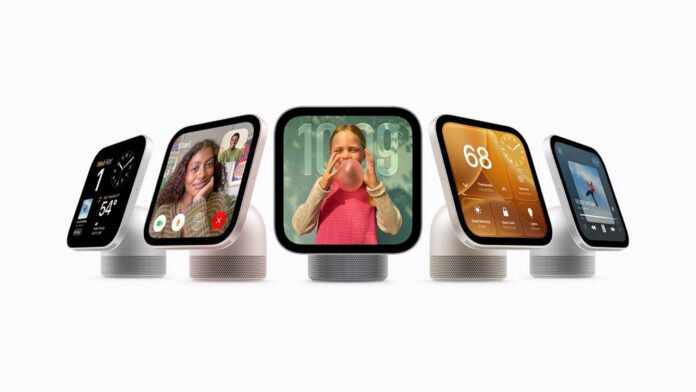
Apple has launched the Apple HomeView in India, bringing a dedicated smart home display to its growing range of home devices. The new device combines a 7-inch Liquid Retina display, Siri AI, FaceTime video calls, music playback, and smart home controls in one unit.
Apple has priced the HomeView at ₹39,900 in India. Buyers can choose between a tabletop model and a separate wall-mounted version at the same price. Pre-orders open on October 13, 2026, and sales begin on November 13.
The Apple HomeView runs on Apple’s A18 chip and uses Apple Intelligence to power its updated Siri assistant. It can also recognise up to six household members and display a personalised Home Screen for each person.
The idea is simple. Instead of picking up a phone every time someone wants to check a calendar, play music or adjust the lights, family members can use a shared home screen. The real question is whether these features justify the price.
Table of Contents
Apple HomeView Features and Specifications
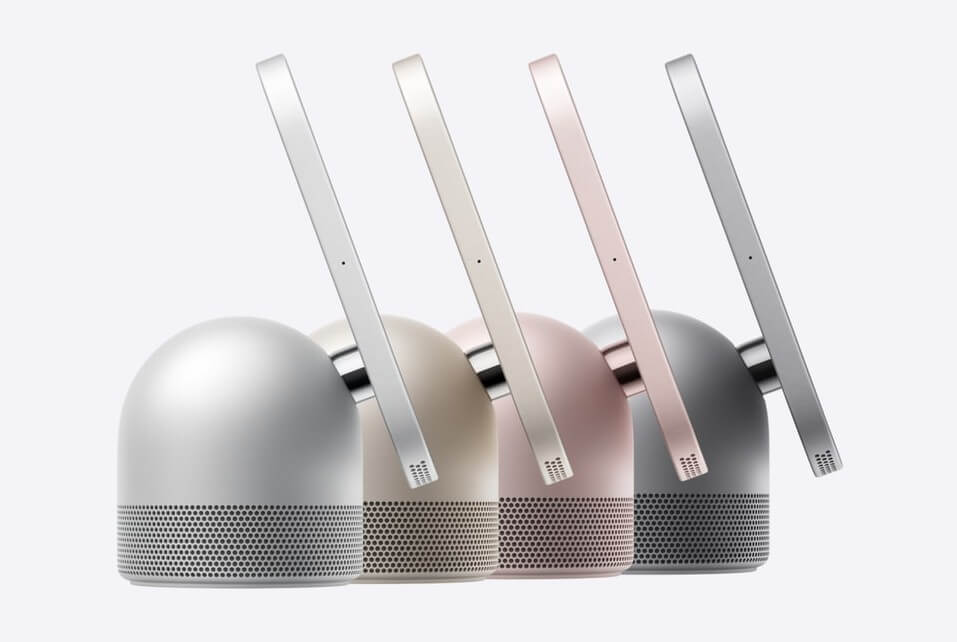
The Apple HomeView features a 7-inch Liquid Retina display housed in an aluminium body. On the tabletop model, a stainless steel hinge connects the screen to a rounded speaker base. The hinge lets users adjust the viewing angle to suit a kitchen counter, bedside table or desk.
Apple has designed the screen to adapt to different lighting conditions. True Tone adjusts the display to match changes in ambient light, while automatic brightness ranges from 0.3 nits to 500 nits.
This range keeps the display easy to read during the day and less distracting in a dark room at night. The interface also changes according to viewing distance. It shows simpler information from across the room and offers more detail when someone moves closer.
Apple offers the tabletop model in Silver, Starlight, Rose Pink and Space Grey. The wall-mounted version comes in Space Grey and Silver.
The wall-mounted edition suits areas such as hallways and entryways, where family members can check information or manage connected devices without using a counter or table. Apple supports three purpose-built mounting options from Schneider Home, although buyers must purchase the mounting accessories separately.
Both versions offer the same core features and 7-inch display. Buyers therefore need to choose based on where they plan to install the device.
Apple has listed the display, design and colour options in its official HomeView announcement.
Siri AI Brings More Personalised Assistance
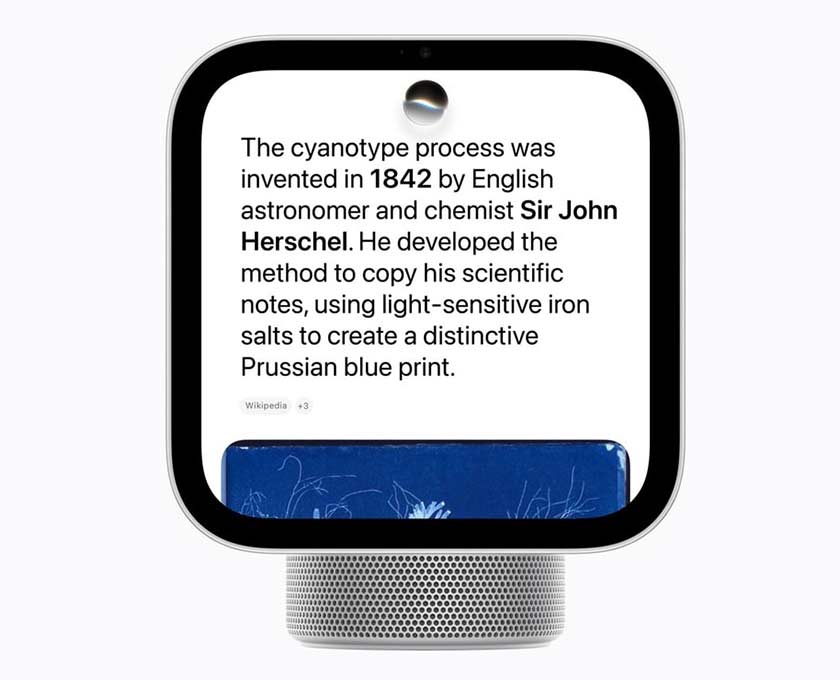
Siri AI is a key feature of Apple HomeView. Apple has redesigned its voice assistant to support more natural conversations, answer general questions, and help users discover music.
Users can ask Siri about a wide range of topics without reaching for an iPhone. They can also use voice commands for everyday tasks around the home.
The assistant can do more when paired with a compatible Apple Intelligence-enabled iPhone or iPad. It can use personal context from supported apps, including Messages and Calendar, to find relevant information and help users complete tasks across apps.
For example, someone could ask Siri to find details about an upcoming event or locate information from a message. This can save time when the answer already exists on a connected Apple device.
Apple HomeView also supports conversations that continue across Apple devices. Users can start a discussion with Siri on the display and continue it through the Siri app on a compatible iPhone, iPad, Mac, Apple Watch or Apple Vision Pro.
However, there is an important limitation. Apple says Siri AI is available in beta in HomeView software version 27.2. Some personal-context features also require a compatible Apple Intelligence-enabled iPhone or iPad with the latest software and supported settings. Apple notes that some AI features may face daily usage limits.
Even without an Apple Intelligence-enabled iPhone or iPad, users can access Siri’s general knowledge, conversational features, and improved music discovery. The level of personal assistance depends on the connected hardware and software.
Personalised Profiles for Up to Six People
A shared smart display can create a privacy problem when several people use the same screen. Apple has addressed this by adding facial recognition and individual user profiles.
Apple HomeView can recognise up to six people in a household. Each recognised user gets a personalised Home Screen with their own apps and widgets.
The device can access personal content from apps such as Messages, FaceTime, Calendar, Reminders, and Find My. Shared photo albums and music remain available for everyone to enjoy.
Apple also restricts when personal information appears. The recognised user must have their paired iPhone or iPad nearby, and that device must have been recently unlocked.
Guests and unrecognised users can still perform basic tasks, such as checking the weather, setting timers, playing music and controlling compatible smart home accessories. They do not need access to another household member’s personal information to use these features.
This setup gives Apple HomeView two roles. It acts as a shared family display for everyday tasks while providing separate experiences for individual users. Households that already use several Apple devices may find this arrangement more useful than a screen that offers the same information to everyone.
Entertainment, Music and FaceTime Calls
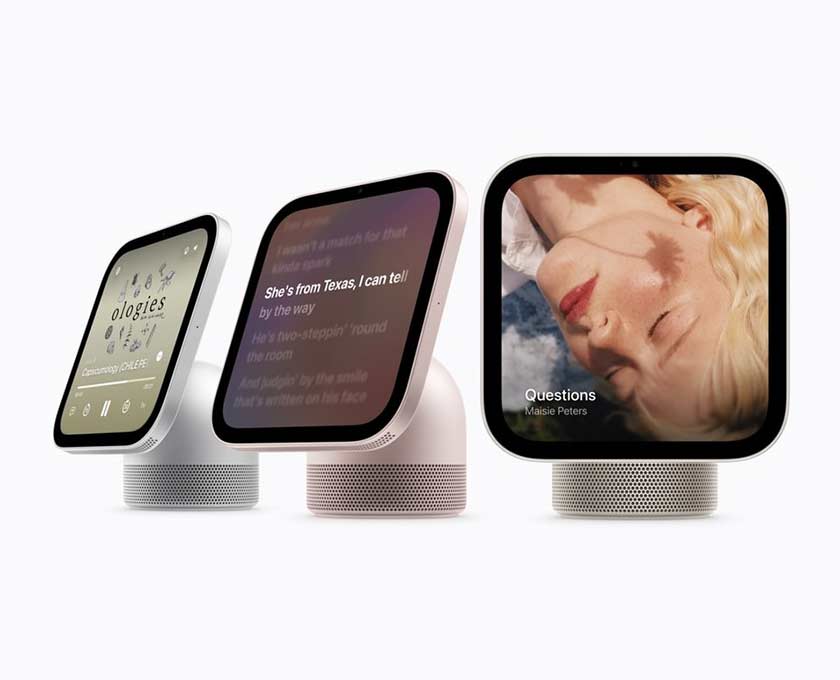
Apple HomeView also works as a compact entertainment system. Its audio hardware includes two custom full-range drivers in the display, along with a down-firing woofer and two force-cancelling passive radiators in the base.
Apple says its audio system supports Spatial Audio and uses computational audio to adjust loudness and bass response. The wall-mounted model has two custom drivers and audio processing tuned for its installation position.
The device supports Apple Music, Apple Podcasts, Apple TV, and compatible third-party audio and video apps. Some services may require a subscription, and app availability can vary by region.
Apple HomeView also supports multiroom audio. Users can connect it with other Apple HomeView units, HomePod speakers, HomePod mini speakers and compatible AirPlay speakers to play music in different rooms.
Another useful feature is Handoff. Users can place an iPhone near the display to continue listening to music they were playing on their phone.
For video calls, Apple HomeView supports FaceTime with Centre Stage. The feature adjusts the camera view to keep participants framed as they move around the room. This could be handy for someone taking a call while preparing food or working at a kitchen counter.
Users can read and reply to Messages through voice commands or the on-screen keyboard. Apple’s Intercom feature also lets them send announcements to a single room or the whole house using compatible Apple HomeView and HomePod devices, as well as supported personal devices.
In the kitchen, Apple HomeView can display recipes as step-by-step instructions. It also supports hands-free timers and ingredient tracking, helping users follow a recipe without repeatedly touching their phone.
Smart Home Controls and Security Features
Apple HomeView places household controls on a dedicated screen. Through Apple’s Home app, users can manage compatible lights, thermostats, door locks, and blinds. They can also check supported security camera feeds.
The Home Camera interface can display up to nine live video feeds at once. This gives users a single view of compatible cameras around the home, making it easier to check a doorway or look in on pets.
Some security features require extra hardware or services. With compatible cameras and an eligible iCloud+ subscription, Apple HomeView can alert you to recognised people, pets, packages and vehicles.
The device also supports HomeKit Secure Video features, including video descriptions that help users understand recorded activity. Apple’s stated requirements include compatible camera hardware, an eligible iCloud+ plan and, for certain features, an Apple Intelligence-enabled iPhone or iPad.
Apple HomeView can detect smoke or carbon monoxide alarms and send alerts to connected iPhones, iPads or Apple Watches.
Apple has also announced its Apple Home Collection, a range of smart home accessories developed with LG Electronics and Schneider Electric. The collection includes smart cameras, thermostats and a door lock. Apple says the collection will begin arriving in December 2026, with select accessories planned for early 2027.
Apple HomeView also supports compatible Matter accessories and other products that work with Apple Home. Buyers should check compatibility before purchasing a smart lock, camera, or other accessory, since not every device offers the same functions.
Smart home accessories are sold separately, so a complete connected setup will cost more than the display itself.
Apple HomeView Privacy and Security
Privacy matters when a screen sits in a shared space and can access personal messages, calendars, and other information. Apple says HomeView uses several hardware and software protections to manage this data.
The device uses the A18 chip, which includes Secure Enclave. Apple describes these as protected areas that process camera and microphone data separately from the rest of the system.
Personal content also follows recognition and device-presence requirements. Messages and Calendar information appear only when the system recognises the enrolled user and their paired iPhone or iPad meets Apple’s stated conditions.
Siri requests can run on the device or through Apple’s Private Cloud Compute system. Apple says it does not store or make requests processed through Private Cloud Compute accessible to Apple.
These protections limit access to private information on a shared screen. However, available features and how they work depend on device compatibility, account settings, and connected services. Users should review those requirements before relying on Apple HomeView for daily tasks or home security alerts.
Apple HomeView Price in India and Availability
Apple HomeView costs ₹39,900 in India. The tabletop and wall-mounted versions carry the same reported price.
Pre-orders opened on October 13, 2026, through Apple’s online store and Apple Store app. Sales are scheduled to begin on November 13.
The tabletop version comes in Silver, Starlight, Rose Pink, and Space Grey. Buyers who prefer wall installation can choose Space Grey or Silver. Schneider Home’s dedicated mounting accessories are sold separately, so users should account for those costs when planning an installation.
Siri AI on Apple HomeView supports English in India, as well as English in the United States, Australia, Canada, New Zealand, Singapore, South Africa, and the United Kingdom.
Buyers should also consider the cost of compatible smart home accessories and any subscriptions needed for selected services. Some advanced features depend on an eligible iCloud+ plan or a compatible iPhone or iPad.
Is Apple HomeView Worth Buying?
The Apple HomeView makes the most sense for households that already use Apple products and want a fixed screen for music, video calls, reminders, and home controls.
Its personalised profiles, support for nine-camera viewing, and integration with Apple Home could make daily tasks easier. It also gives family members a shared way to access information without passing a phone around.
The ₹39,900 price is harder to justify for people who need only basic timers, weather updates, or music playback. Those users may not get enough value from its more advanced features.
The same applies to households that own few compatible smart home accessories. Many of Apple HomeView’s strongest features depend on other devices, supported services, or an Apple account.
Apple has brought several home functions into one product, but convenience alone does not guarantee value. Buyers should consider which features they will use daily before spending nearly ₹40,000 on a smart display.