
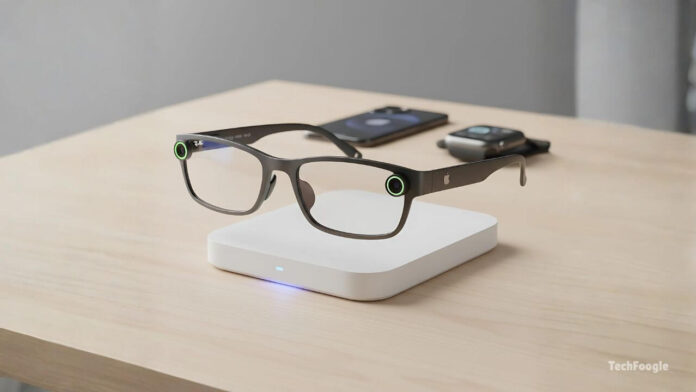
In a surprising shift, Apple has put the brakes on its plans for a budget-friendly version of the Vision Pro headset. Instead, the tech giant is now channeling its energy into crafting innovative smart glasses that harness the power of artificial intelligence. Exciting times ahead for Apple enthusiasts!
Table of Contents
Vision Pro Struggles in the Market
The Vision Pro was introduced as one of Apple’s most significant projects in recent years. However, sales have fallen short of expectations. Many customers found the device to be too heavy and prohibitively expensive. Even within Apple, some executives have questioned whether the headset can ever attract everyday users. Tim Cook himself has expressed doubts about whether bulky headsets will ever be socially accepted.
As a result, Apple has started positioning the Vision Pro more as a professional tool than a consumer device. However, this shift has not been sufficient to achieve widespread adoption.
Why Apple Is Betting on Glasses
Smart glasses are emerging as the next major product category for tech companies. Unlike headsets, glasses are lighter, less noticeable, and more practical for daily use. Meta has already gained momentum with its Ray-Ban smart glasses, which blend style with features like AI and, in some models, built-in displays. Google and Samsung are also preparing to compete in this space.
Seeing the success of Meta’s approach, Apple has reassigned resources that were once working on the cheaper Vision Pro to focus on glasses. Bloomberg reports that the canceled headset project, known internally as N100, has been shelved to make way for the new eyewear initiative.
Two Versions of Apple Glasses
Apple is said to be working on at least two different types of smart glasses:
- Companion Model (N50): This version will be closely tied to the iPhone and will not have its own display. Apple may unveil it as early as next year, but it is likely to reach the market in 2027.
- Display Model: This more advanced version will include a built-in display inside the lenses, similar to Meta’s Ray-Ban model with AR features. Apple originally planned to launch it around 2028, but is now trying to accelerate development.
The Role of AI and Siri
A significant part of Apple’s smart glasses plan is artificial intelligence. The glasses are expected to rely heavily on voice controls and Apple’s new AI system, Apple Intelligence. A redesigned Siri will be central to this effort, with a possible launch as early as March 2026.
Apple hopes the upgraded AI will make the glasses easy and natural to use. However, the company has struggled in the past to deliver on ambitious AI features, so much will depend on how well Apple Intelligence develops over the next two years.
The Bigger Picture
For Apple, smart glasses represent more than just a new gadget. Many in the industry view them as the next step after smartphones. If Apple can succeed here, it could shape the future of personal tech in the same way the iPhone did.
By canceling the cheaper Vision Pro and moving staff to its glasses project, Apple has made it clear where it believes the future lies. The coming years will show whether this bet pays off.